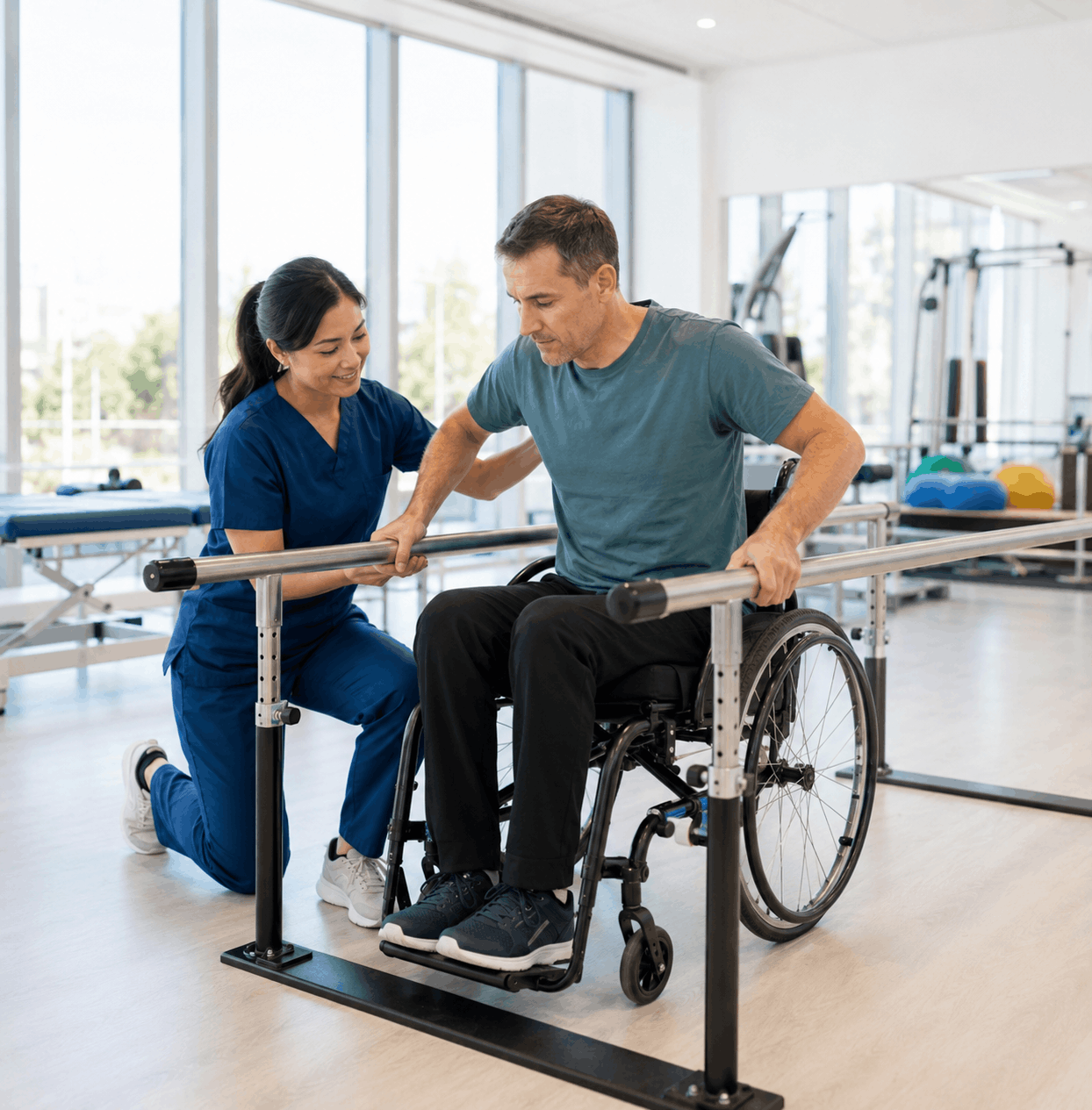
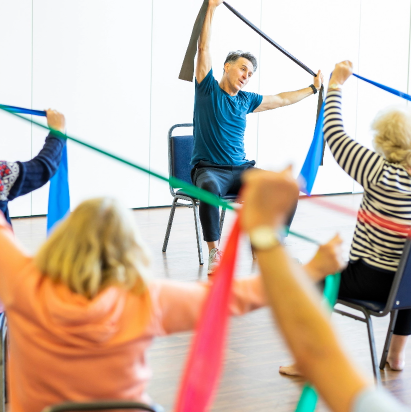
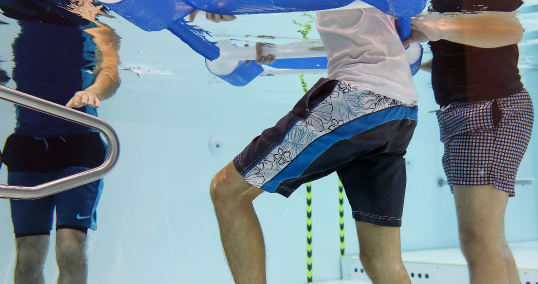
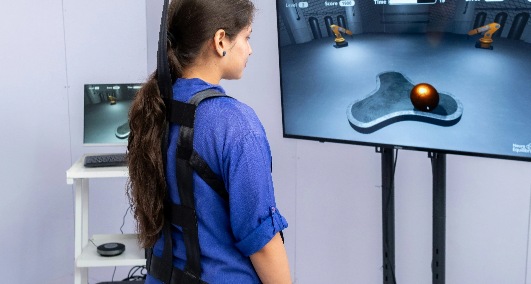
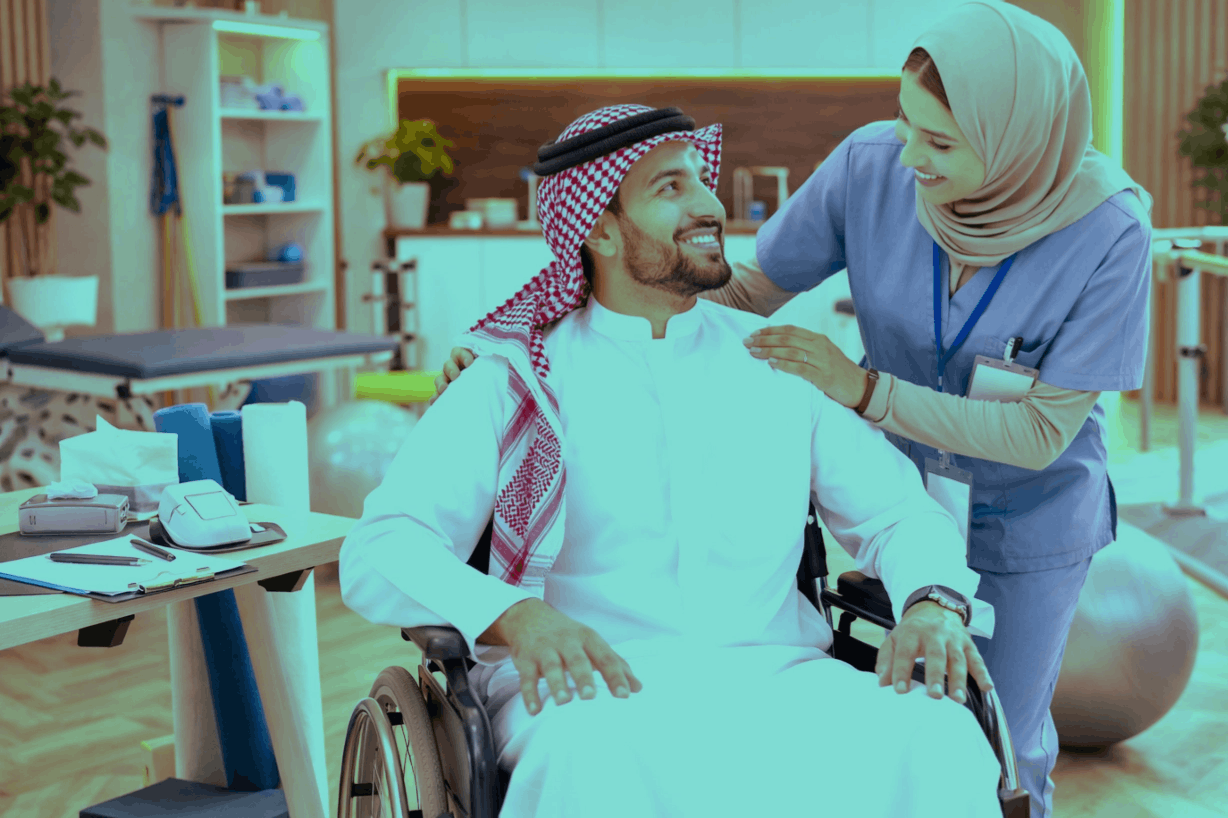
After complex OPLL surgery, Karlos is steadily reclaiming his life with strength, family support, and the care of our dedicated team.
A spinal cord injury can change the way a person moves, performs daily activities, and navigates everyday life. Tasks that were once routine may suddenly require new skills, new approaches, and ongoing support.
At SRH, we provide comprehensive spinal cord injury rehabilitation through a structured programme designed to help individuals maximise independence, improve function, and adapt confidently to life after injury.
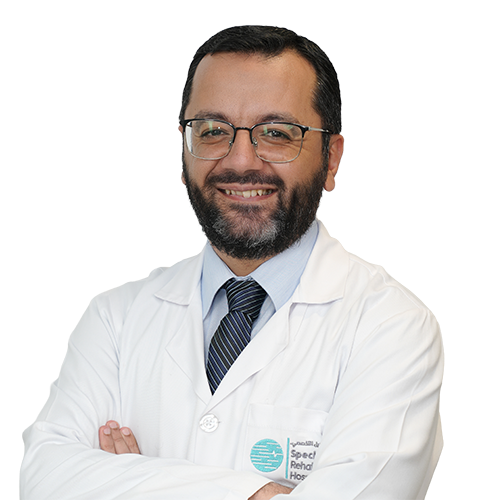
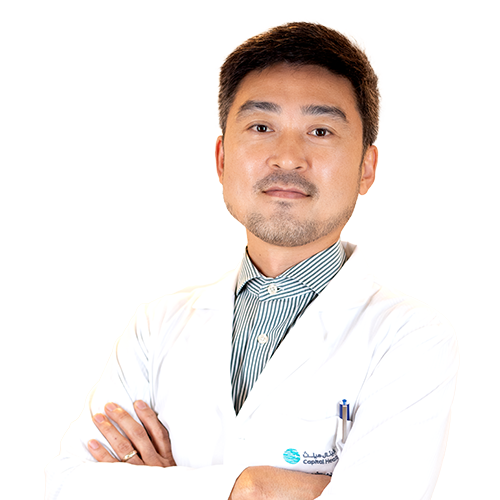
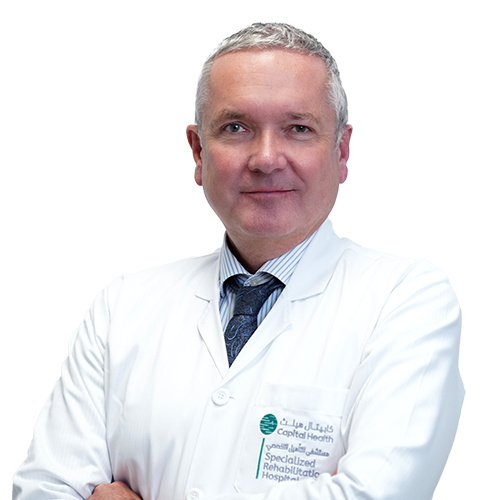
Our multidisciplinary teams work closely with patients and families to address the physical, medical, and practical challenges that can arise throughout recovery.
Each rehabilitation pathway is tailored to the individual’s condition, goals, and level of function. Through intensive rehabilitation, continuous medical oversight, and coordinated care, we help patients build the skills, confidence, and independence needed for life beyond rehabilitation.
What Spinal Cord Injury Rehabilitation Means
Spinal cord injury rehabilitation focuses on helping individuals achieve the highest possible level of independence following injury to the spinal cord. While recovery looks different for every patient, rehabilitation is centred on improving function, promoting long-term health, and developing practical strategies for daily living.
At SRH, rehabilitation extends beyond physical recovery. We help patients build confidence in managing everyday activities, navigating their environment, and participating in family, social, educational, and professional life. Where recovery of function is possible, we support it. Where adaptation is needed, we provide the tools and training to help patients live as independently as possible.
Recovery following a spinal cord injury is often a long-term journey. Our role is to provide the expertise, structure, and support needed to help patients move forward with greater confidence, capability, and independence.
Who Requires Spinal Cord Injury Rehabilitation
We recommend spinal cord injury rehabilitation for patients experiencing changes in mobility, function, or independence following injury to the spinal cord. This may include individuals who:
Have sustained traumatic spinal cord injuries
Have non-traumatic spinal cord injuries affecting movement and function
Experience paralysis or weakness affecting daily activities
Require support with transfers, mobility, and self-care
Need rehabilitation following spinal surgery or prolonged hospitalisation
Experience respiratory or functional challenges related to spinal cord injury
Require training in adaptive techniques and equipment
Rehabilitation typically begins once the patient is medically stable and able to participate in a structured programme designed around individual goals and functional needs.
Inquire NowThe SRH Model of Care
At SRH Abu Dhabi, we deliver spinal cord injury rehabilitation through a specialised rehabilitation approach that combines intensive therapy, continuous medical oversight, and coordinated multidisciplinary care. Our focus is on helping patients achieve meaningful improvements in function while supporting long-term independence and participation.
A Structured Pathway to Recovery
Assessment & Direction
We begin with a comprehensive assessment of mobility, physical function, respiratory status, daily living abilities, and rehabilitation goals. This allows us to understand the impact of the injury and establish a clear pathway for recovery.
Personalised Rehabilitation
A tailored rehabilitation programme is developed to address each patient's specific challenges and recovery goals. Through coordinated multidisciplinary care, we support mobility, self-care, physical conditioning, and adaptive skill development to maximise independence.
Structured Progress
Patients participate in progressive rehabilitation programmes focused on improving function, developing independence, and building confidence in everyday activities. Progress is reviewed regularly, allowing rehabilitation plans to evolve as recovery milestones are achieved.
Transition & Continuity
Planning for discharge begins early in the rehabilitation journey. We work closely with patients and families to prepare for continued rehabilitation, equipment needs, home adaptations, caregiver education, and long-term support where required.
A Model Built Around Outcomes
At SRH Abu Dhabi, rehabilitation is guided by outcomes that support independence, safety, participation, and quality of life. Our approach focuses on helping patients achieve practical improvements that support life at home and within the community.
Conditions Within Spinal Cord Injury Rehabilitation
At SRH, we support patients across a broad range of spinal cord injury-related challenges, recognising that recovery often requires coordinated rehabilitation across multiple areas of function.
Outcomes That Matter
Recovery, Measured in Independence.
At SRH Abu Dhabi, progress is monitored throughout rehabilitation to ensure recovery remains aligned with each patient’s goals and level of function. Our focus is on helping patients achieve meaningful improvements that support long-term independence and participation.
Improved Mobility and Functional Movement
Patients develop greater confidence and ability in movement, transfers, and mobility activities, supporting participation in everyday life.
Greater Independence in Daily Living
Patients strengthen their ability to manage personal care, daily routines, and household activities with reduced reliance on others.
Greater Freedom of Movement and Participation
Patients gain the skills and confidence needed to navigate different environments, engage in activities, and participate more fully in daily life.
Improved Health, Resilience, and Daily Function
Rehabilitation supports long-term physical wellbeing, helping patients manage their condition while maintaining participation in meaningful activities.
Greater Confidence for Independent Living
Patients develop the practical skills, self-management strategies, and confidence needed to navigate daily life, make informed decisions, and participate independently in their environments.
Greater Participation in Family, Work, and Community Life
Rehabilitation is aligned towards helping patients reconnect with the activities, relationships, and responsibilities that are important to them.
Sustained Independence Beyond Rehabilitation
Patients who achieve consistent progress during rehabilitation are often better equipped to maintain function, participation, and quality of life over time.
RECOVERY JOURNEYS
Patient Testimonials
FAQs
Rehabilitation typically begins once the patient is medically stable and able to actively participate in therapy.