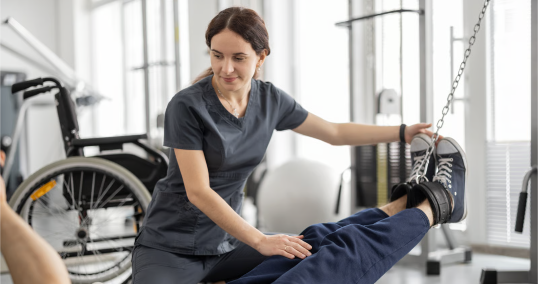
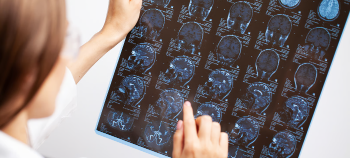
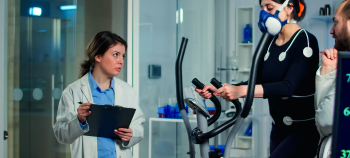
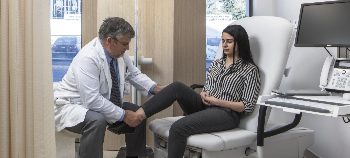
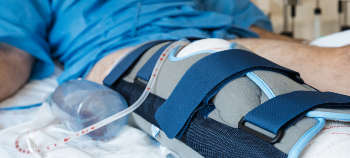
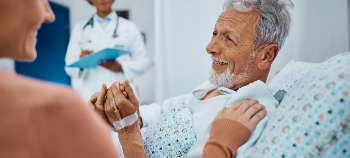
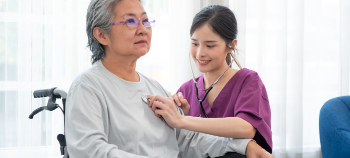
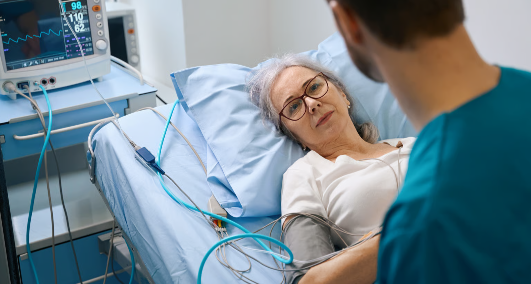
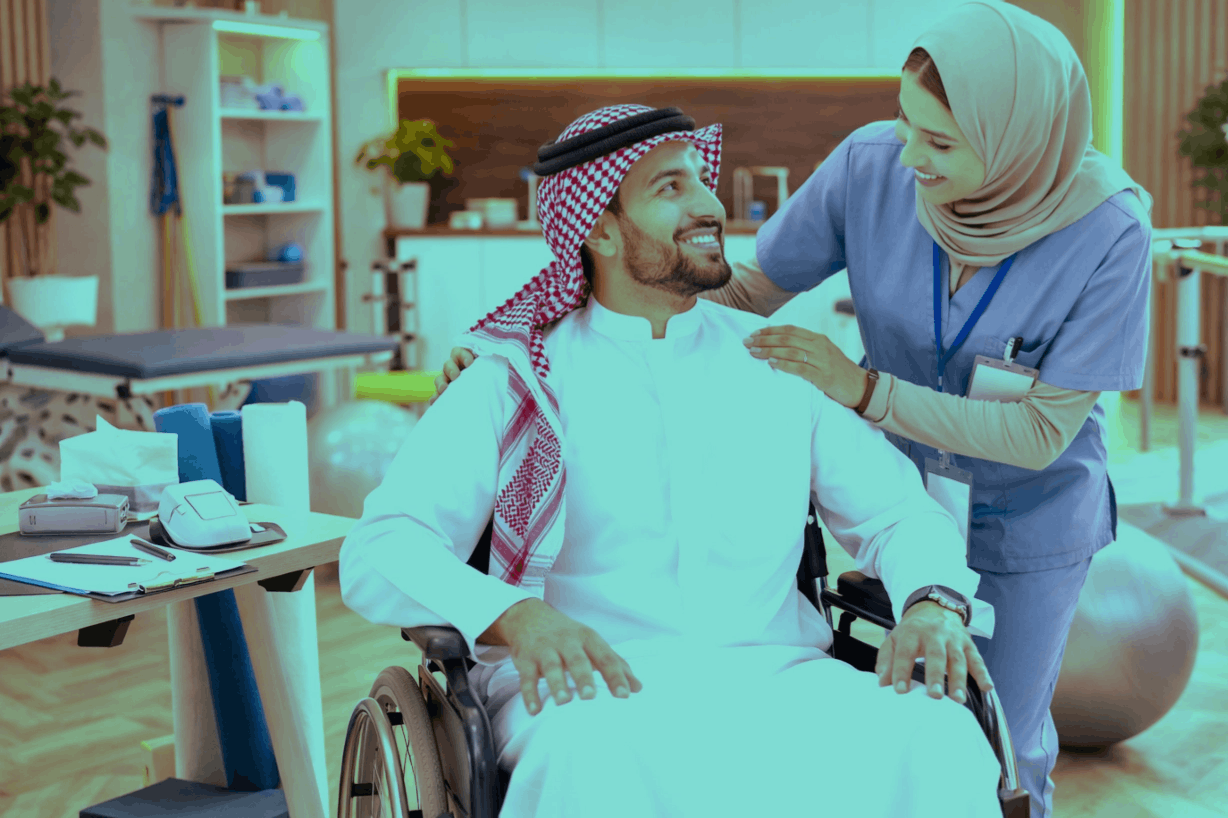
After complex OPLL surgery, Karlos is steadily reclaiming his life with strength, family support, and the care of our dedicated team.
After a serious illness, surgery, or intensive care stay, recovery often continues beyond the acute hospital phase. At SRH, we focus on helping patients regain
strength, stability, and function following medical treatment, supporting a safe and structured transition into the next stage of recovery.
We work with patients who may feel weakened, deconditioned, or unable to resume daily activities after hospitalisation.
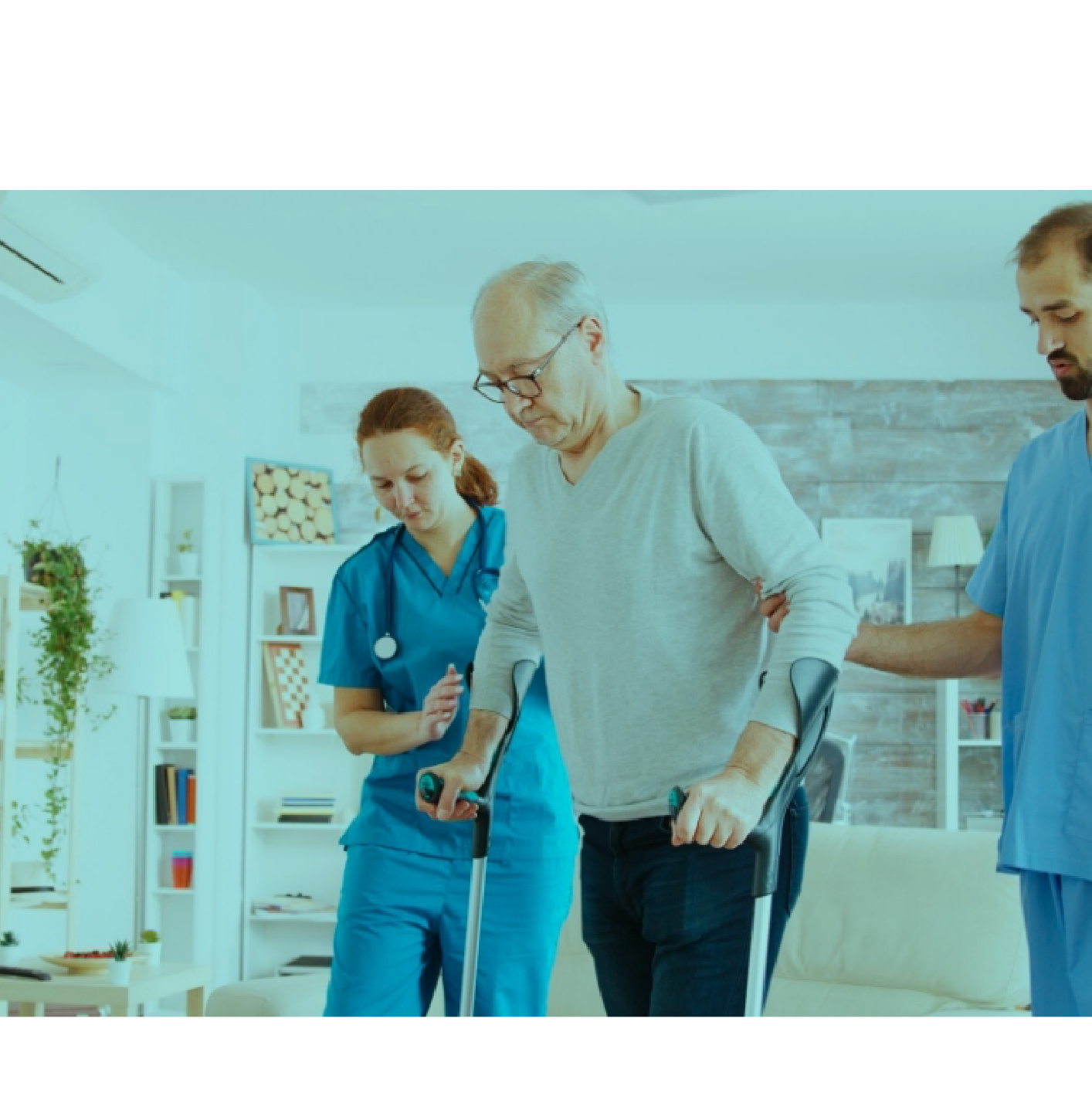
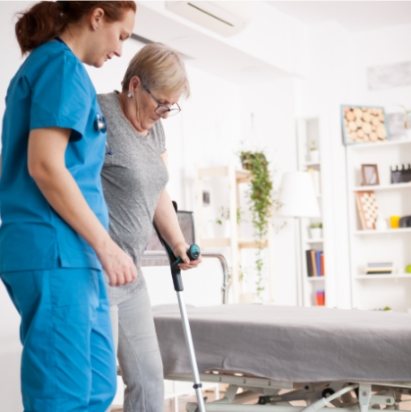
Our approach focuses on re-building physical endurance, restore day-to-day function, and support a gradual return to independence.
Throughout this phase, we monitor recovery closely and adapt care to reflect each patient’s condition and progress. We also support patients and families through this transition, ensuring continuity of care and confidence as recovery moves beyond the hospital setting.
What Post-Acute Rehabilitation Means
At SRH, we focus on supporting patients as they transition from medical treatment into recovery. This stage is centred on rebuilding confidence, improving tolerance to activity, and gradually resuming daily routines in a safe and supported way.
Recovery at this stage is often gradual and requires careful progression. Our approach ensures that patients are supported at the right pace, reducing the risk of setbacks while helping them move forward with greater stability and confidence.
Who Requires Post-Acute Rehabilitation
This level of care is appropriate for individuals who can participate in a structured rehabilitation programme and are likely to benefit from coordinated therapy and medical support. This may include patients who:
Have reduced strength, mobility, or independence after hospitalisation
Experience physical, cognitive, or communication challenges
Require support with daily activities or swallowing
Need continued medical supervision alongside rehabilitation
Benefit from coordinated, multidisciplinary care
We commonly support patients recovering from stroke, major trauma, cardiac events, prolonged ICU stays, and age-related functional decline.
Inquire NowThe SRH Model of Care
At SRH, we deliver post-acute rehabilitation through a transition-focused approach, supporting patients as they move from hospital-based treatment into recovery. We centre care around rebuilding strength, restoring function, and stabilising health following illness or prolonged hospitalisation.
Our approach is designed to bridge the gap between acute care and independent living, ensuring recovery progresses safely, steadily, and with the right level of support at every stage.
A Structured Pathway to Recovery
Stabilisation & Recovery Readiness
We begin by assessing the patient’s current medical stability, level of deconditioning, and ability to safely begin rehabilitation following hospital discharge.
Reconditioning & Functional Restoration
We focus on rebuilding physical strength, improving endurance, and restoring the ability to perform basic daily activities that may have been affected during illness or hospitalisation.
Monitored Recovery & Risk Reduction
We guide patients through gradual recovery while closely monitoring for fatigue, setbacks, or complications, ensuring progress is steady and safe.
Reintegration & Continued Recovery
We prepare patients for a safe return home, supporting continued recovery through structured follow-up and rehabilitation beyond the inpatient setting.
A Model Built Around Outcomes
At SRH Abu Dhabi, we focus on outcomes that support a safe and confident transition into daily life. Our approach ensures that recovery is not only clinically guided, but also practical, sustainable, and aligned with each patient’s level of independence.
Conditions We Support
At SRH, we support patients recovering from a wide range of medical and surgical conditions following hospitalisation, addressing both physical recovery and the broader impact on daily function and independence.
Outcomes That Matter
Care focused on stability, safety, and dignity.
At SRH, we measure outcomes based on stability, safety, and quality of life. This is reflected in:
Maintained respiratory stability
Patients receive consistent and closely monitored breathing support
Safe and comfortable long-term care
Care is delivered in a controlled and supportive environment
Improved physical tolerance where possible
Patients are supported in maintaining or improving strength
Appropriate long-term care pathways
Patients transition to home care or continued specialised care as needed
RECOVERY JOURNEYS
Patient Testimonials
FAQs
Post-acute rehabilitation is a stage of care that supports recovery after a hospital stay for illness, surgery, or injury. It focuses on rebuilding strength, improving mobility, and restoring the ability to perform daily activities safely.