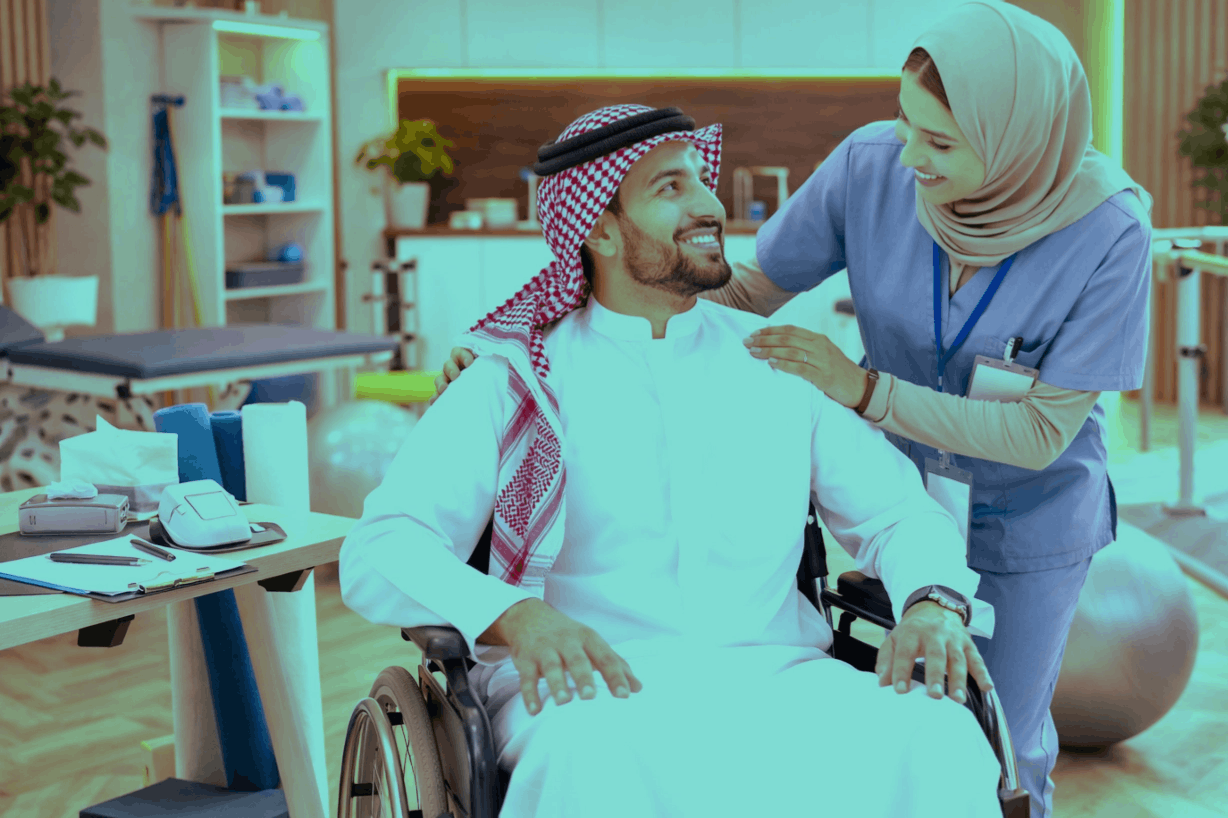
After complex OPLL surgery, Karlos is steadily reclaiming his life with strength, family support, and the care of our dedicated team.
A brain injury can affect far more than physical movement. It may change how a person thinks, communicates, behaves, manages daily activities, and interacts with the world around them. Recovery often involves addressing multiple challenges at the same time, requiring a rehabilitation approach that is both specialised and highly coordinated.
At SRH, we support patients recovering from traumatic and acquired brain injuries through a structured rehabilitation programme designed to restore function, maximise independence, and improve quality of life.
Our multidisciplinary teams work together to address the physical, cognitive, communication, and behavioural effects of brain injury, helping patients make meaningful progress at every stage of recovery.
Each rehabilitation pathway is tailored to the individual’s needs, goals, and recovery potential. Through intensive therapy, continuous medical oversight, and ongoing reassessment, we help patients rebuild essential skills while supporting a safe transition back to daily life.
What Brain Injury Rehabilitation Means
Brain injury rehabilitation focuses on helping patients recover abilities affected by damage to the brain while developing strategies to manage ongoing challenges. Rehabilitation is not limited to physical recovery. It also addresses cognition, communication, behaviour, emotional wellbeing, and functional independence.
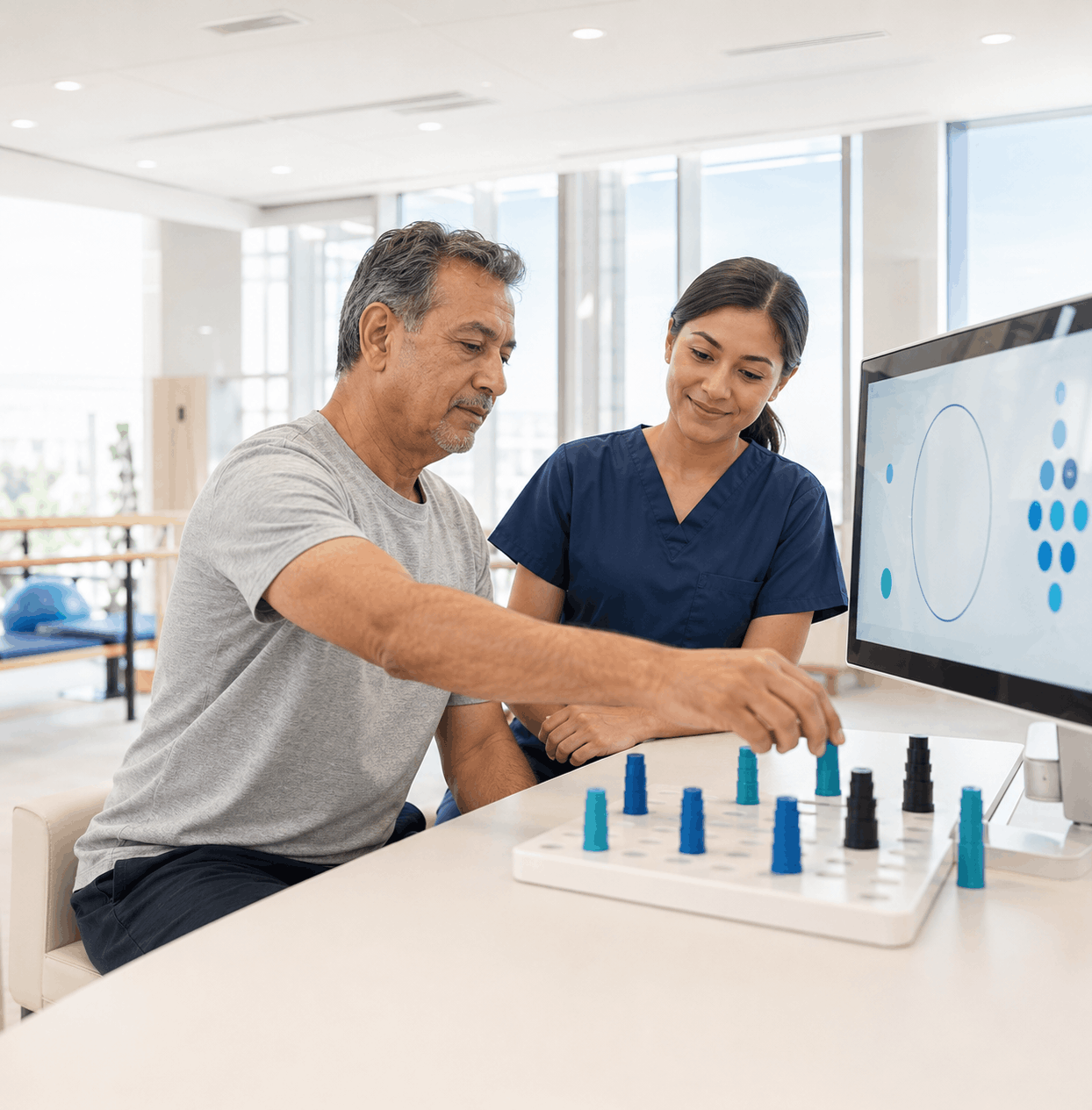
At SRH, rehabilitation is centred on helping patients regain the skills needed for everyday life. This may include improving mobility, rebuilding communication abilities, strengthening memory and attention, or relearning tasks that were previously performed independently.
Recovery following a brain injury is often gradual and differs from one individual to another. Our role is to provide the expertise, structure, and support needed to help patients achieve the highest possible level of function while preparing them and their families for life beyond rehabilitation.
Who Requires Brain Injury Rehabilitation
We recommend brain injury rehabilitation for patients experiencing changes in physical, cognitive, communication, behavioural, or functional abilities following a brain injury. This may include individuals who:
Have sustained a traumatic brain injury (TBI)
Have acquired brain injuries following illness, infection, lack of oxygen, or other medical conditions
Experience difficulties with memory, attention, concentration, or decision-making
Have weakness, balance problems, or reduced mobility
Experience speech, language, or communication challenges
Have swallowing difficulties that affect nutrition and hydration
Require support with daily activities, self-care, or community participation
Rehabilitation typically begins once the patient is medically stable and able to actively participate in a structured programme designed around individual goals and recovery needs.
Inquire NowThe SRH Model of Care
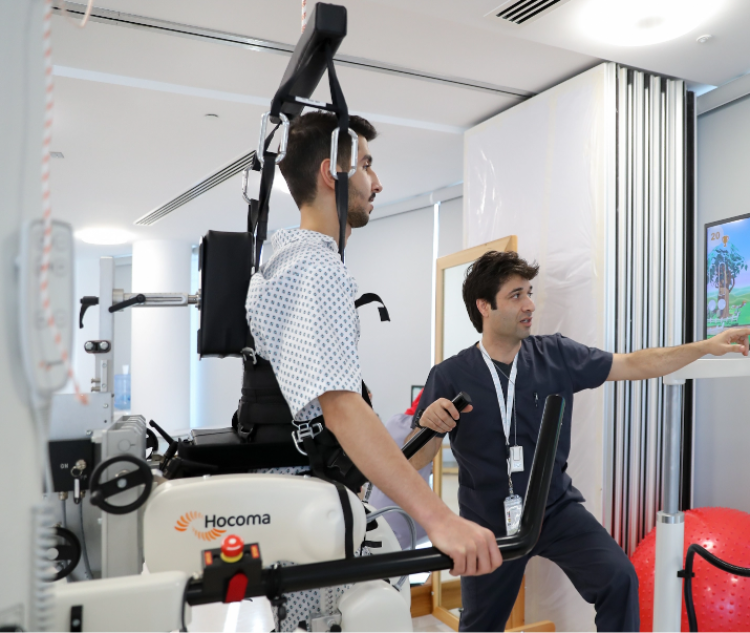
At SRH Abu Dhabi, we deliver brain injury rehabilitation through a specialised neurorehabilitation approach that combines intensive therapy, continuous medical oversight, and coordinated multidisciplinary care. Every aspect of rehabilitation is designed to support recovery while helping patients regain confidence, function, and independence.
A Structured Pathway to Recovery
Assessment & Direction
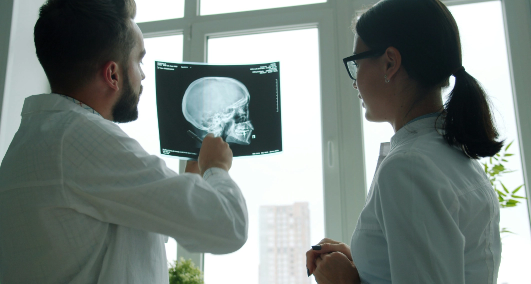
We begin with a comprehensive assessment of physical abilities, cognitive function, communication skills, behaviour, swallowing, and daily living activities. This helps us understand the impact of the injury and establish a clear rehabilitation direction.
Personalised Rehabilitation
A tailored rehabilitation programme is developed to address each patient's challenges and recovery goals. Through coordinated multidisciplinary care, we support recovery across physical function, cognition, communication, behaviour, and daily living skills.
Structured Progress
Patients participate in intensive rehabilitation programmes focused on rebuilding skills affected by the injury. Progress is monitored closely, allowing rehabilitation plans to evolve as recovery milestones are achieved.
Transition & Continuity
Planning for discharge begins early in the rehabilitation journey. We work closely with patients and families to prepare for continued recovery through outpatient services, community reintegration, caregiver education, and long-term rehabilitation planning where required.
A Model Built Around Outcomes
At SRH Abu Dhabi, we focus on outcomes that matter beyond the hospital environment. Rehabilitation is designed to improve independence, participation, safety, and quality of life, helping patients return to meaningful daily activities with greater confidence and capability.
Conditions Within Brain Injury Rehabilitation
At SRH, we support patients across a broad range of brain injury-related challenges, recognising that recovery often involves physical, cognitive, behavioural, and functional rehabilitation working together.
Outcomes That Matter
Recovery, Measured in Function.
At SRH Abu Dhabi, we monitor progress throughout rehabilitation to ensure recovery remains purposeful, measurable, and aligned with each patient’s goals. Our focus is on helping patients achieve meaningful improvements that support life beyond rehabilitation.

Improved Attention, Memory, and Decision-Making
Patients develop stronger cognitive skills that support greater independence and participation in daily activities.
Greater Independence in Daily Activities
Patients improve their ability to manage personal care, mobility, and everyday tasks with reduced assistance.
Enhanced Communication and Social Participation
Improved communication skills support more effective interaction with family, caregivers, and the wider community.
Increased Safety and Self-Awareness
Patients develop a better understanding of their abilities and limitations, supporting safer decision-making and greater confidence.
Structured and Measurable Progress Over Time
Regular reviews allow rehabilitation programmes to be adapted to support continued improvement and changing recovery needs.
A Clear Path Beyond Inpatient Rehabilitation
Discharge planning and continuity of care help support long-term recovery after leaving SRH.
Sustained Improvements in Function and Quality of Life
Patients who achieve consistent progress during rehabilitation are often better equipped to maintain independence and participation over time.
RECOVERY JOURNEYS
Patient Testimonials
FAQs
While both programmes support neurological recovery, brain injury rehabilitation
addresses a wider range of cognitive, behavioural, communication, and functional
challenges that may result from traumatic or acquired brain injuries.