
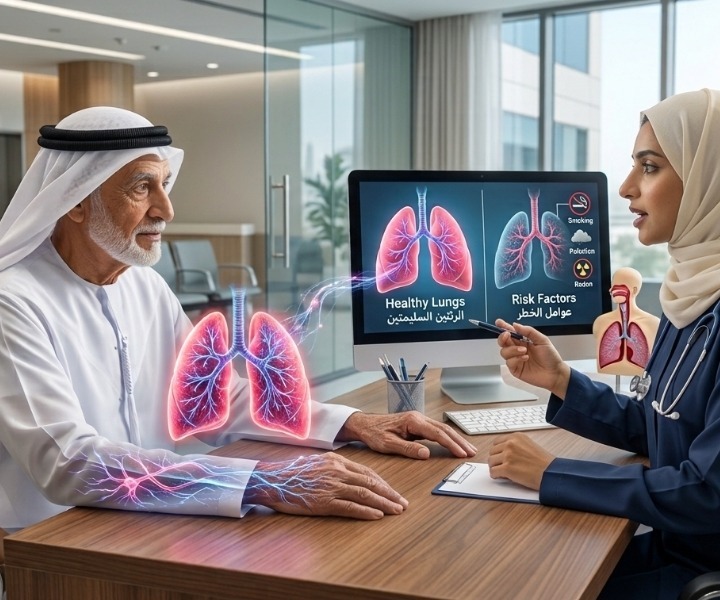
Protecting Your Lung Health: Understanding the Risk Factors for Lung Cancer
Healthy lungs are essential for every breath we take, supporting everything from daily activities to physical exercise and overall wellbeing. While many respiratory conditions can affect lung health, lung cancer remains one of the most serious. Understanding the factors that increase the risk of lung cancer empowers individuals to make informed lifestyle choices and seek medical advice when needed.
Although smoking is the leading cause of lung cancer, it is not the only one. Environmental, occupational, genetic, and lifestyle factors can also contribute to risk. The encouraging news is that many of these factors are preventable or can be managed.
What is Lung Cancer?
Lung cancer develops when abnormal cells in the lungs grow uncontrollably, forming tumours that interfere with normal lung function. In its early stages, lung cancer often causes few or no symptoms, which is why understanding risk factors and recognising persistent respiratory symptoms are important for early diagnosis.
Risk Factors for Lung Cancer
Smoking
Smoking is the most significant risk factor for lung cancer. Cigarettes, cigars, pipes, and other tobacco products expose the lungs to harmful chemicals that damage lung tissue over time. The longer a person smokes and the more tobacco they use, the greater their risk.
The good news is that quitting smoking at any age reduces the risk of lung cancer and improves overall respiratory and cardiovascular health.
Shisha Smoking
Many people believe that shisha is less harmful than cigarettes, but this is a common misconception. Shisha smoke contains many of the same toxic chemicals and cancer-causing substances found in cigarette smoke. Regular shisha smoking has been linked to an increased risk of lung disease and lung cancer.
Second-hand Smoke
Regular exposure to tobacco smoke from others can also increase the risk of lung cancer. Creating smoke-free homes, workplaces, and public spaces helps protect the health of everyone, particularly children and other vulnerable family members.
Air Pollution
Long-term exposure to outdoor air pollution has been associated with an increased risk of lung cancer. Fine particulate matter generated by traffic, industrial emissions, and other environmental sources can affect lung health over time.
Occupational Exposure
Certain occupations involve exposure to substances known to increase the risk of lung cancer, including:
- Asbestos
- Silica dust
- Diesel exhaust
- Radon gas
- Arsenic and other industrial chemicals
Using appropriate protective equipment and following workplace safety regulations are important measures to reduce exposure.
Family History
People with a close relative who has been diagnosed with lung cancer may have a higher risk themselves. While genetics cannot be changed, understanding your family history allows your healthcare provider to assess your individual risk more accurately.
Previous Lung Disease
Chronic lung conditions, including chronic obstructive pulmonary disease (COPD), pulmonary fibrosis, and some long-standing inflammatory lung diseases, are associated with an increased risk of lung cancer. Regular follow-up and appropriate management of these conditions are important for maintaining long-term lung health.
Can Lung Cancer Be Prevented?
Although not all cases of lung cancer can be prevented, adopting healthy habits can significantly reduce your risk.
These include:
- Avoiding smoking and seeking professional support to quit if needed.
- Avoiding exposure to second-hand smoke.
- Being aware of the risks associated with shisha smoking.
- Following workplace safety recommendations.
- Staying physically active.
- Eating a balanced, nutritious diet.
- Discussing lung cancer screening with your healthcare provider if you are at high risk.
When Should You Seek Medical Advice?
Many lung conditions share similar symptoms, but persistent respiratory symptoms should always be assessed by a healthcare professional.
Seek medical advice if you experience:
- A cough that persists for more than three weeks.
- Coughing up blood.
- Persistent chest pain.
- Shortness of breath.
- Unexplained weight loss.
- Ongoing fatigue.
- Recurrent chest infections.
These symptoms do not necessarily mean you have lung cancer, but early assessment can help identify the cause and ensure appropriate treatment if needed.
Looking After Your Lung Health
Healthy lungs play a vital role in maintaining an active lifestyle and supporting overall wellbeing. Protecting your lung health starts with making informed choices, avoiding known risk factors, staying physically active, and seeking medical advice when symptoms persist.
For individuals recovering from serious respiratory illnesses or prolonged hospitalisation, rehabilitation may also help improve breathing, rebuild physical strength, and restore independence as part of a comprehensive recovery plan.
Taking proactive steps today can help protect your lung health for years to come.
Disclaimer
This information is provided by SRH, part of the Capital Health group, and is intended for educational purposes only. It is not a substitute for professional medical advice, diagnosis, or treatment. Please consult your doctor or healthcare provider if you have concerns about your lung health or your individual risk factors.